01
Evidence
Research and learnings that help improve medical-humanitarian practice.
Búsqueda
Busca noticias, publicaciones, eventos, vacantes e información sobre nuestro trabajo médico-humanitario.
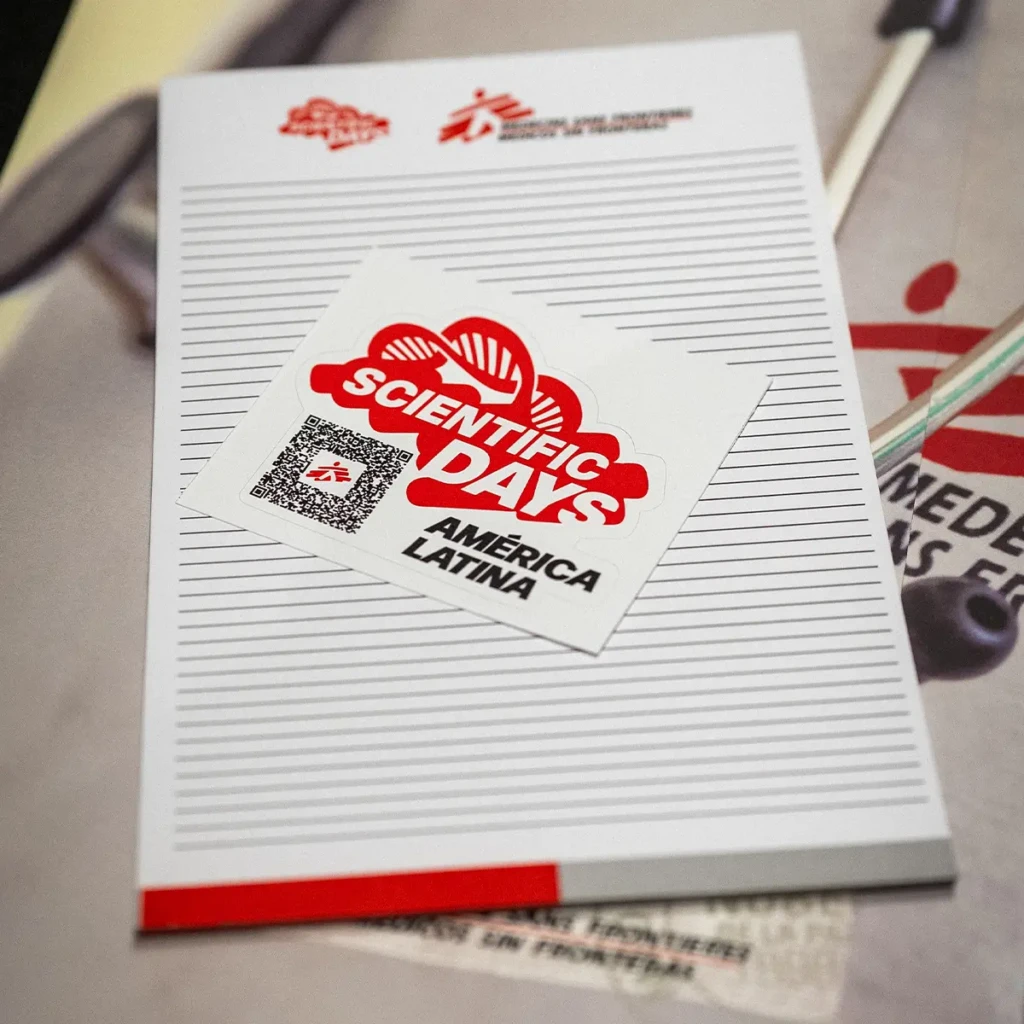
Scientific Days of Doctors Without Borders in Latin America
Innovative responses to evolving health challenges in Latin America
Dates
October 28th–29th, 2026
Location
Casa Cemefi - Ciudad de México
Format
Hybrid event
Languages
Spanish – English – Portuguese
About the event
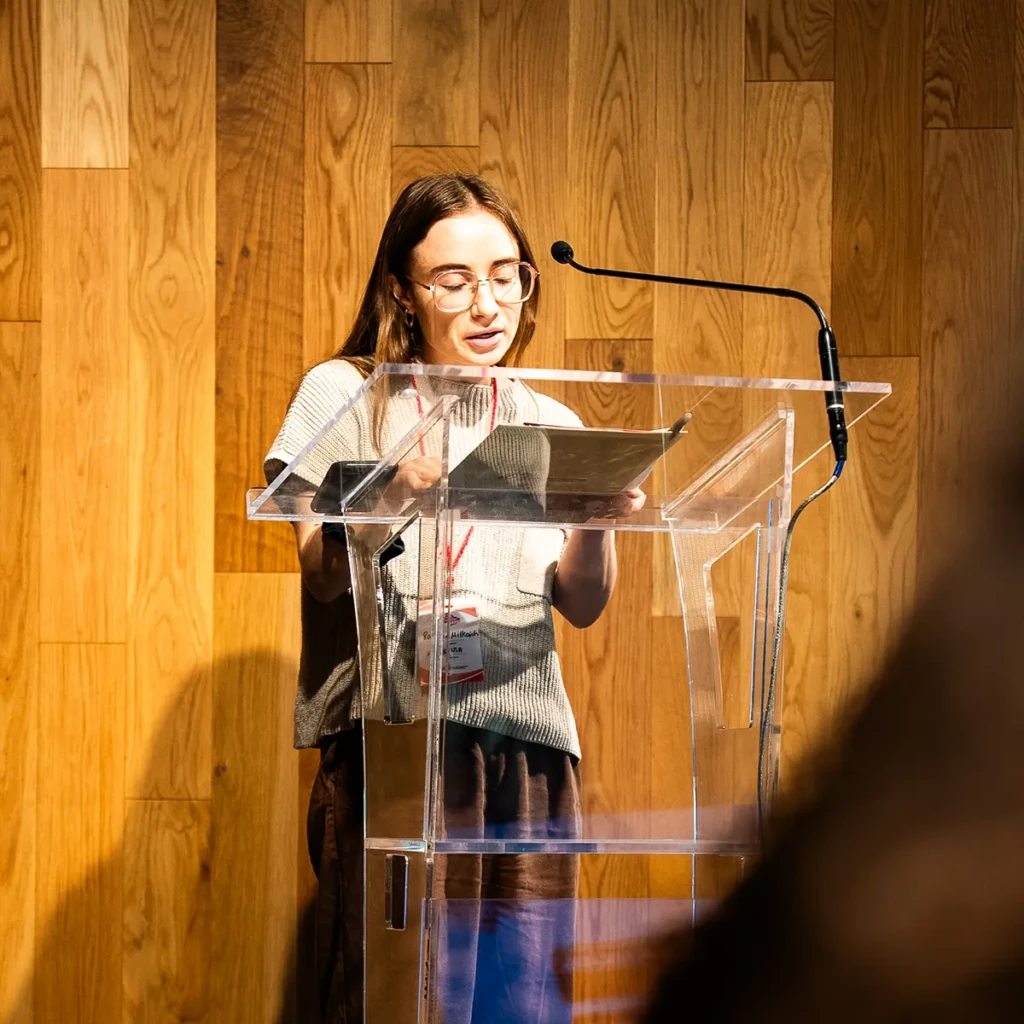
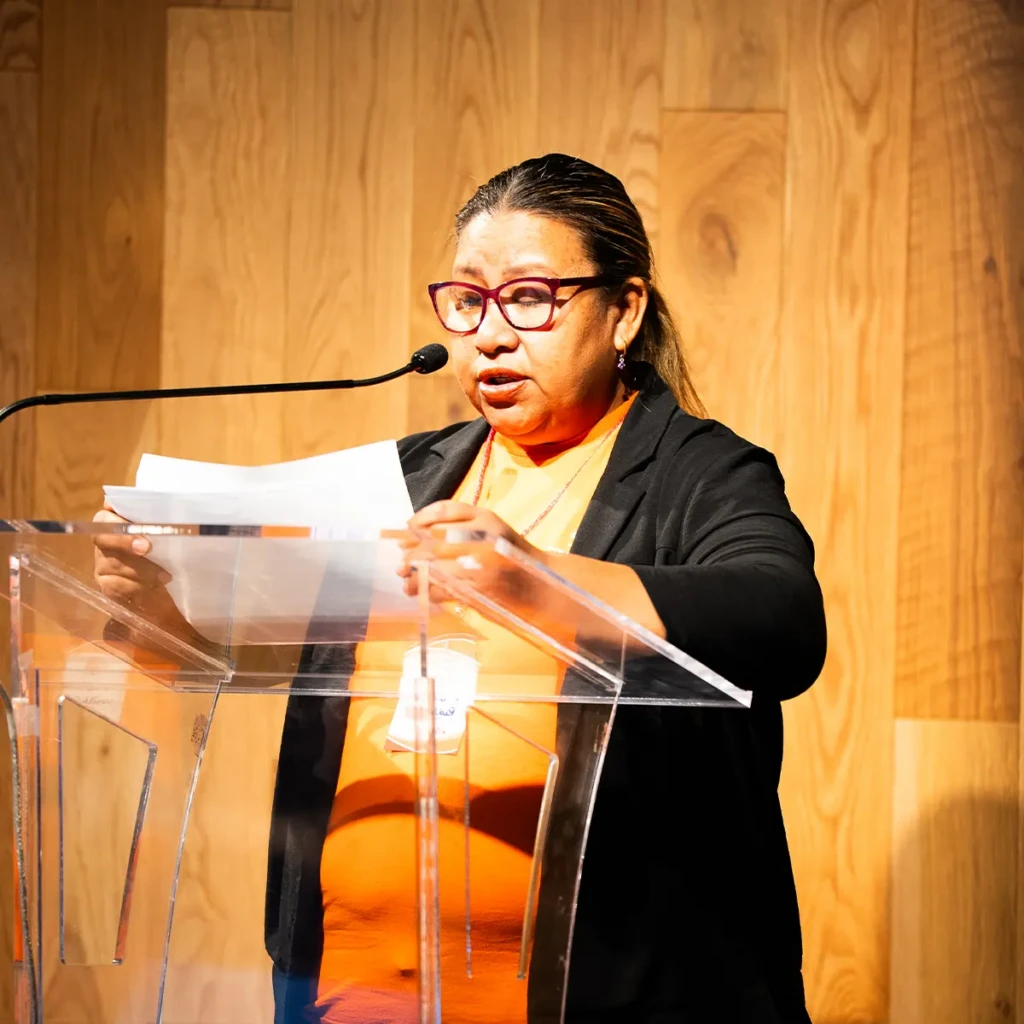
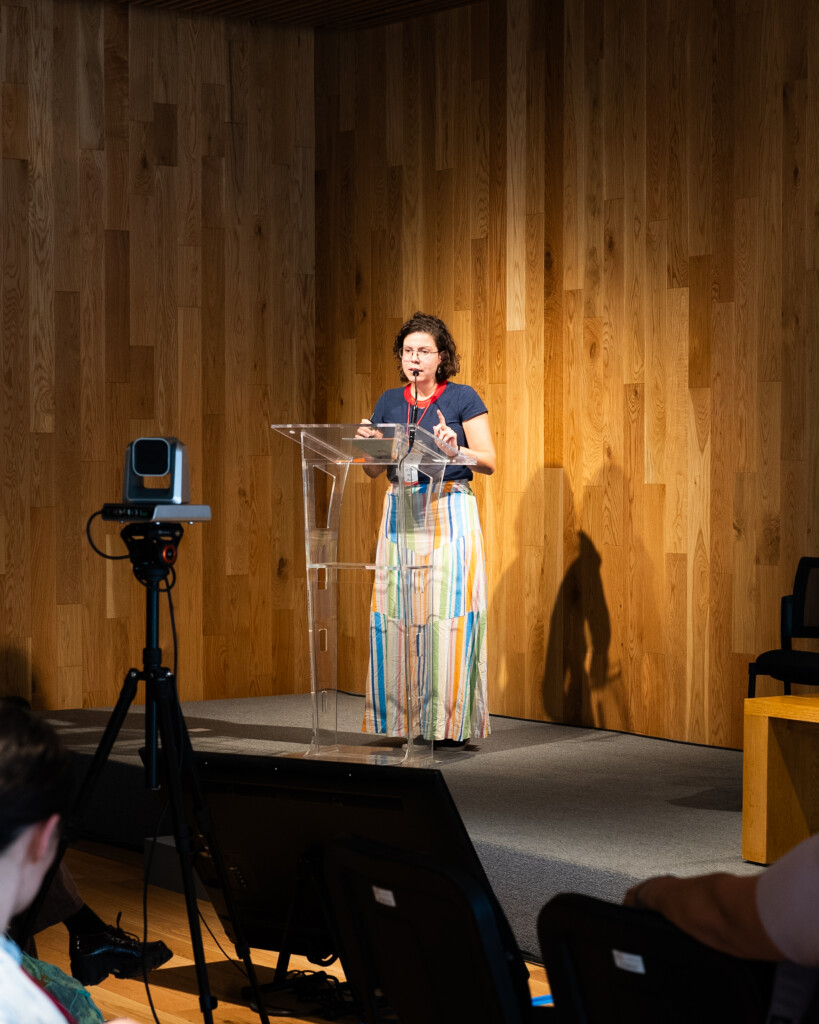
Scientific Days Latin America is a space to share research, experience, innovations, and lessons learned from medical-humanitarian action.
This event brings together health professionals, researchers, humanitarian organizations, students, and other stakeholders to discuss what works, what we’ve learned, and how evidence can help us improve the care we provide to patients and communities.
Research and learnings that help improve medical-humanitarian practice.
Connecting scientific knowledge with realities found in the field.
Exploring new responses to humanitarian needs that continue to evolve.
2026 Edition
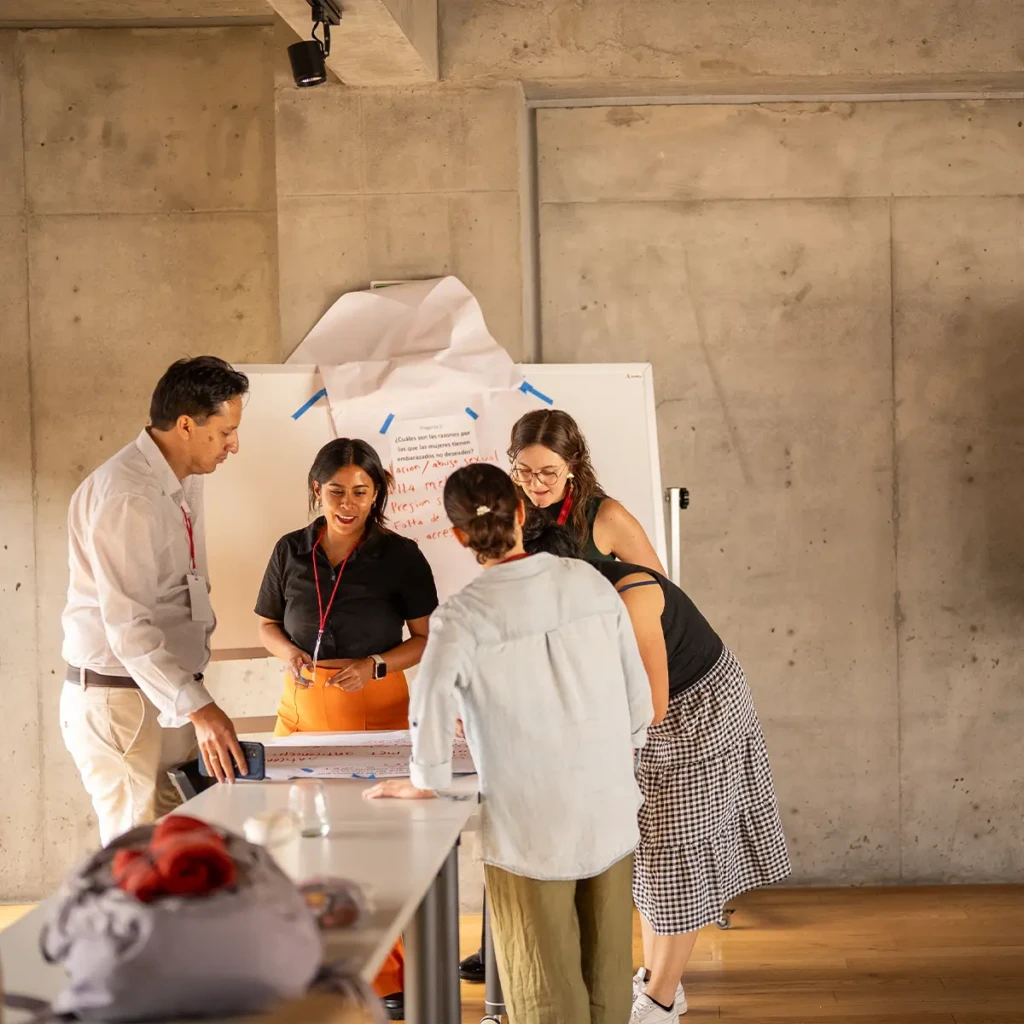
Medical-humanitarian challenges are evolving. Climate change, violence, migration, and structural inequalities are transforming the contexts in which we work. We need new responses based on evidence, experience, and innovation to adapt and continue providing quality care.
2026 topics
How humanitarian programs can adapt to the impacts of climate change and environmental change on health.
How to respond to the health consequences of violence and its impact on access to services.
Access barriers, continuity of care, and coordination between transit and destination countries.
Innovative, rights-based approaches to expanding access to contraception and safe abortion services.
New strategies for prevention, diagnosis, treatment, and control.
Modalities
Speakers

Cargo
Organización
País
Cargo
Organización
País
Cargo
Organización
País
Cargo
Organización
País
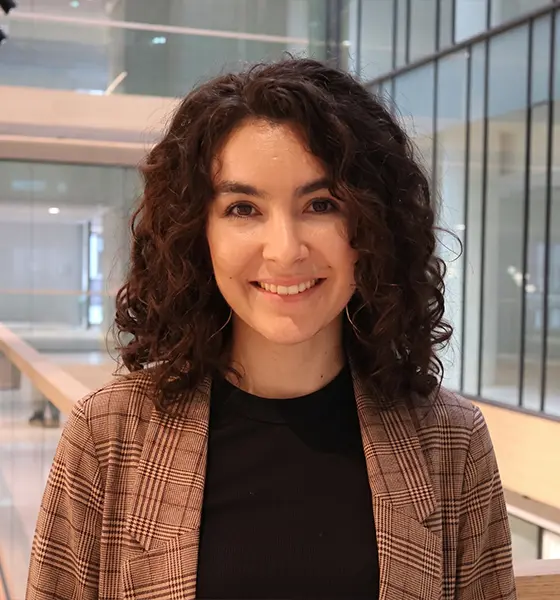
Physician and Researcher
Global Mental Health and Women’s Health
Mexico · Netherlands
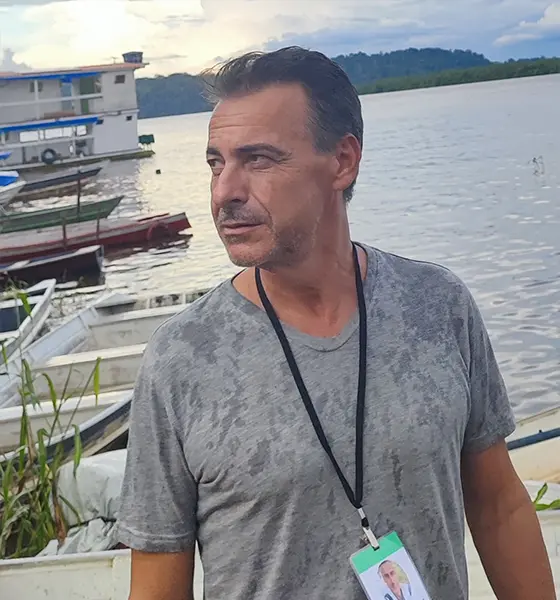
Anthropologist
UFRJ · LAPA-Research
Brazil
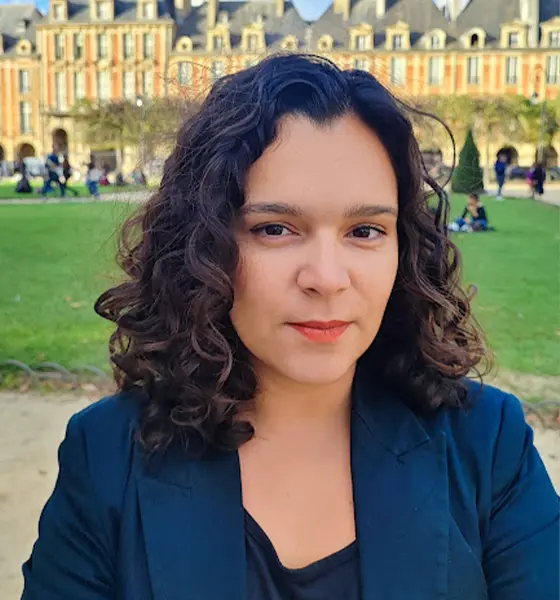
Doctoral Researcher
IESP-UERJ · LAPA-Research
Brazil
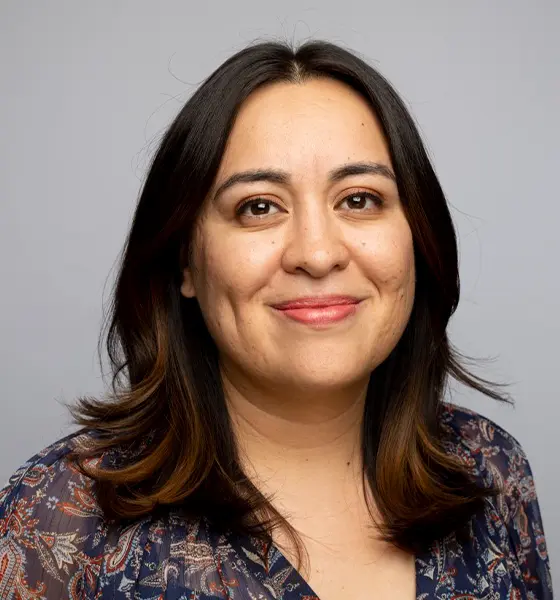
Medical Coordinator
Médicos del Mundo México
Mexico
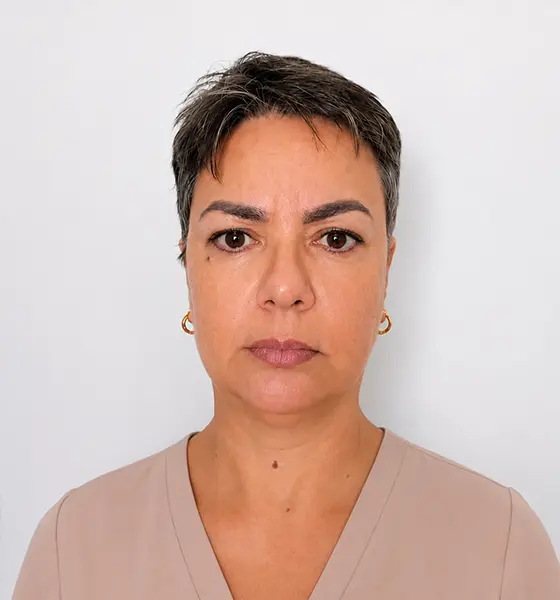
Nutritionist, Researcher and Professor
Food and Nutritional Security
Brazil
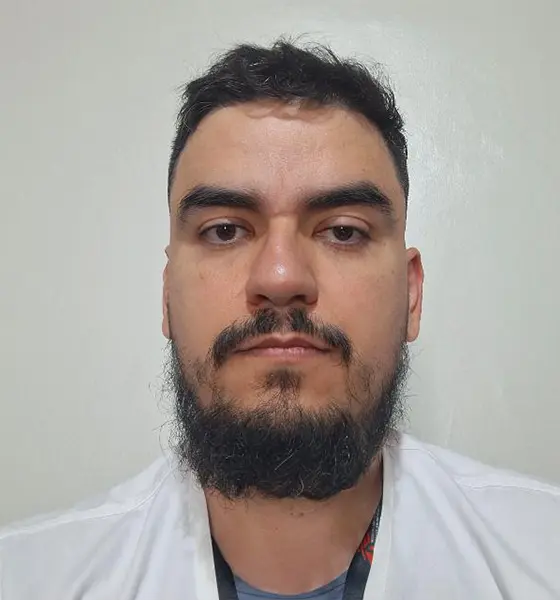
Biologist, PhD in Tropical Medicine and Epidemiology.
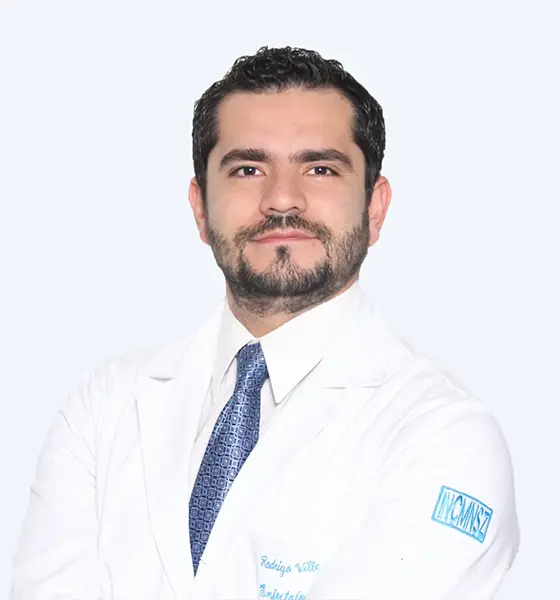
Physician specializing in infectious and tropical diseases.
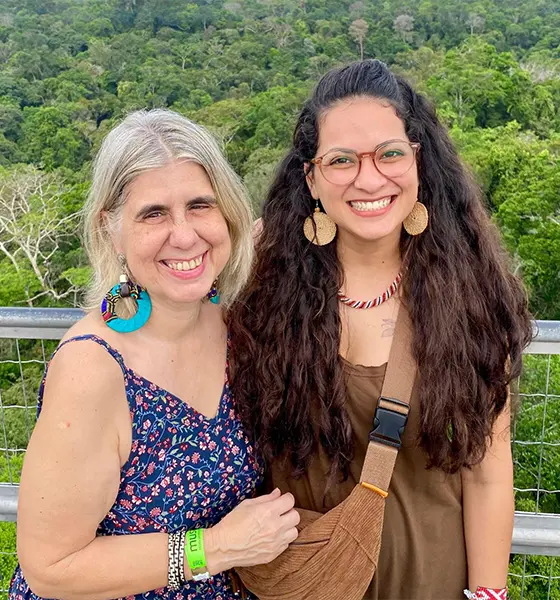
Psychologist and PhD candidate in Social Psychology at the State University of Rio de Janeiro (UERJ).
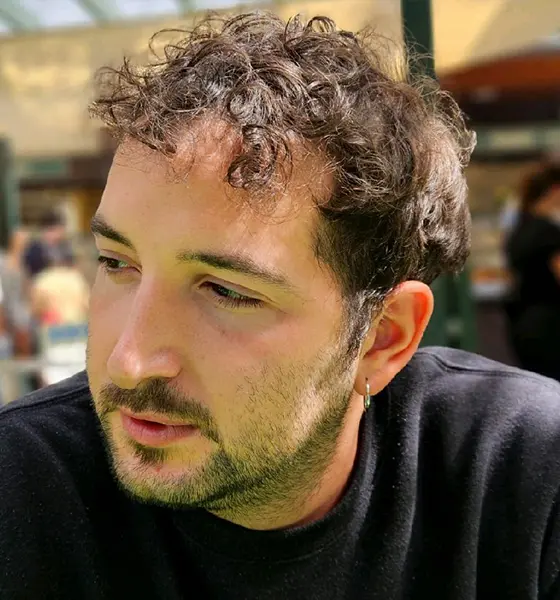
Physician and specialist in emergency medicine
Migration and health
Italy
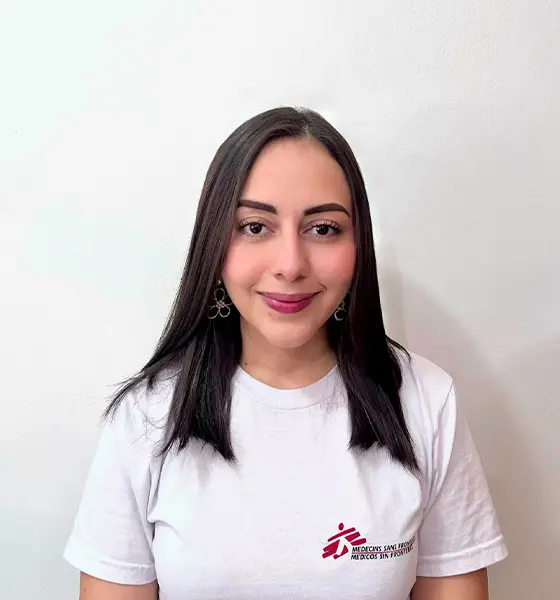
Social worker with experience in the humanitarian field
Sexual and Reproductive Health and Rights
Honduras
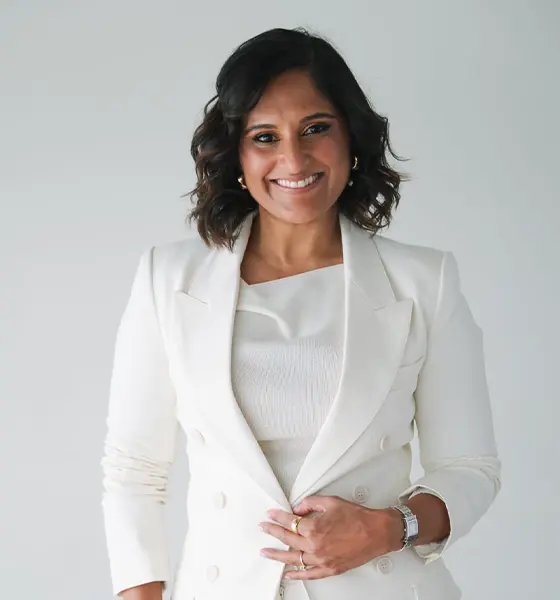
Obstetrician and gynecologist specializing in complex family planning
Sexual and Reproductive Health and Rights
Colombia
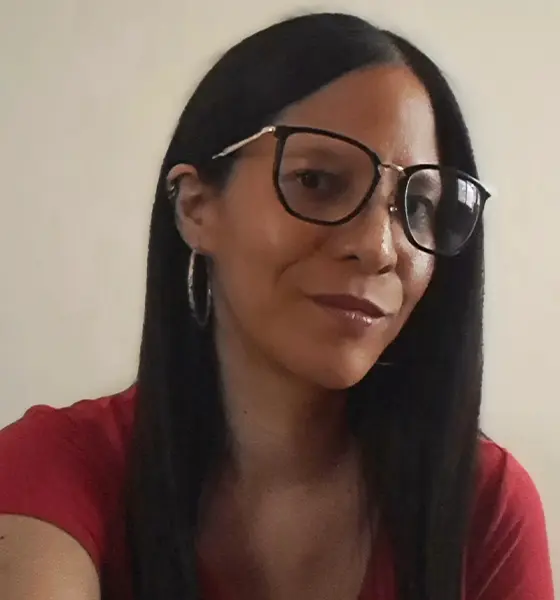
Facilitator of the workshop “Respecting All People (RAP)” | Advocacy for Access to Pharmaceutical Innovation.
Workshop RAP
México
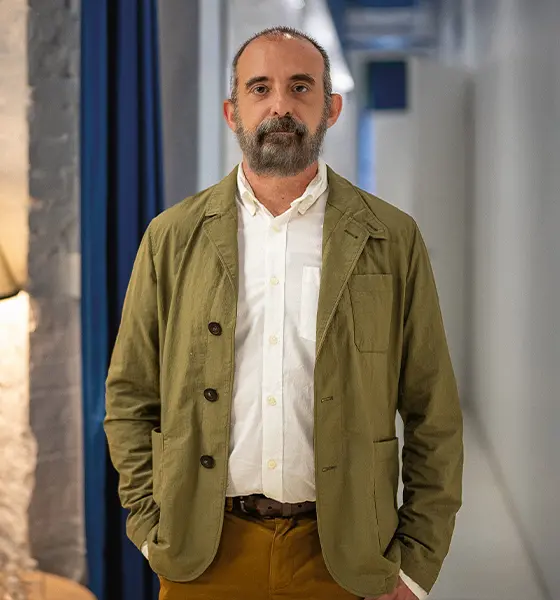
Executive Director of Médecins Sans Frontières Mexico and Central America.
Opening Remarks
México
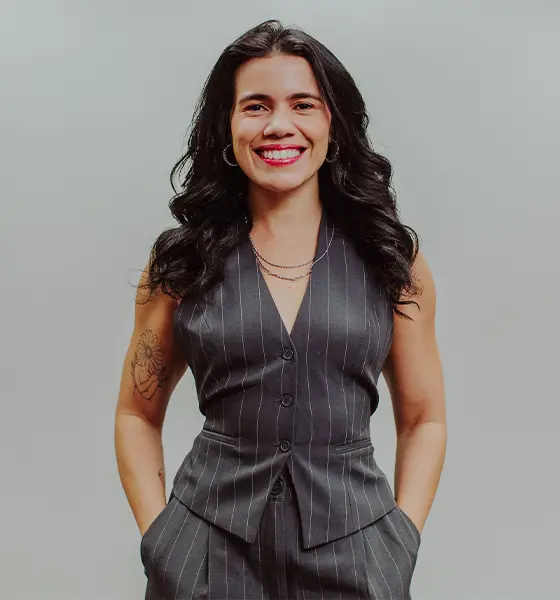
Moderator of the Climate and Health Session | Advocacy at MSF Brazil.
Climate and Health and Neglected Tropical Diseases
Brazil
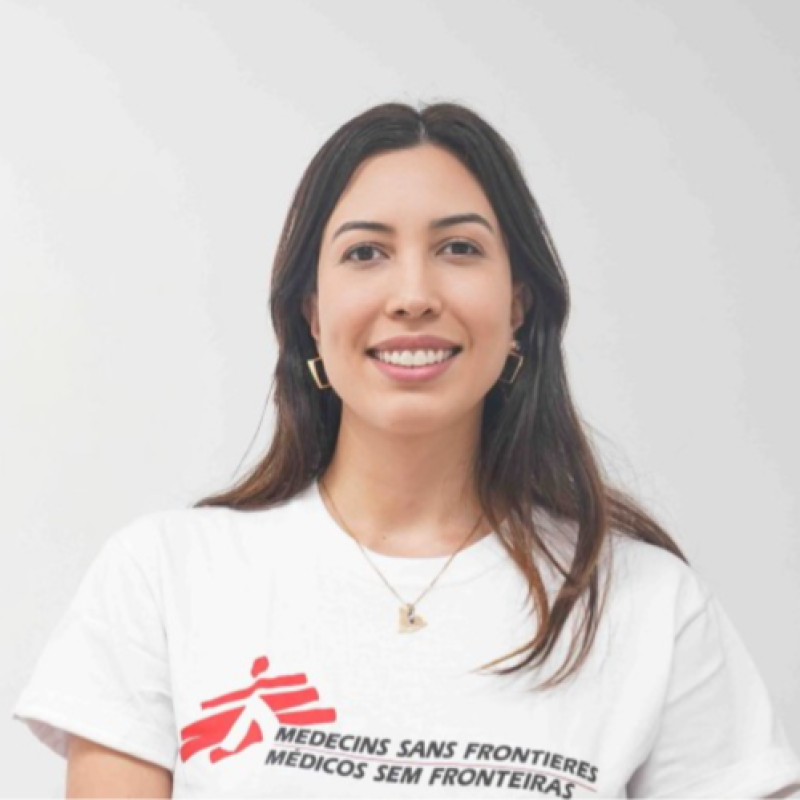
Encerramento Director of the Brazilian Medical Unit (BRAMU)
Closing Remarks
Brazil

Humanitarian nurse, feminist activist, and LGBTQ+ rights advocate.
RAP Workshop
México
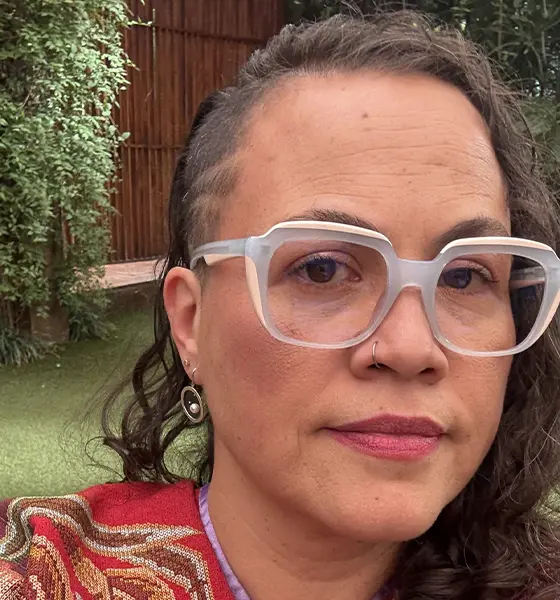
Regional Director of IPPF for the Americas and the Caribbean. Her leadership is grounded in intersectional and trans-inclusive feminist values.
RAP Workshop
México
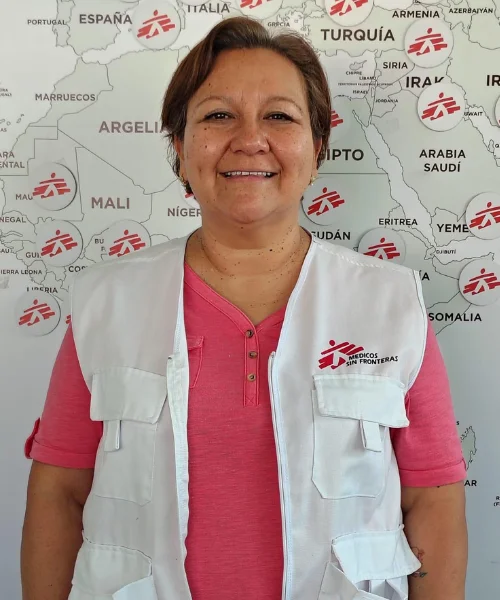
Psychologist and Regional Psychosocial Support Reference for Médecins Sans Frontières staff.
Facilitators of the Psychological First Aid Workshop
México
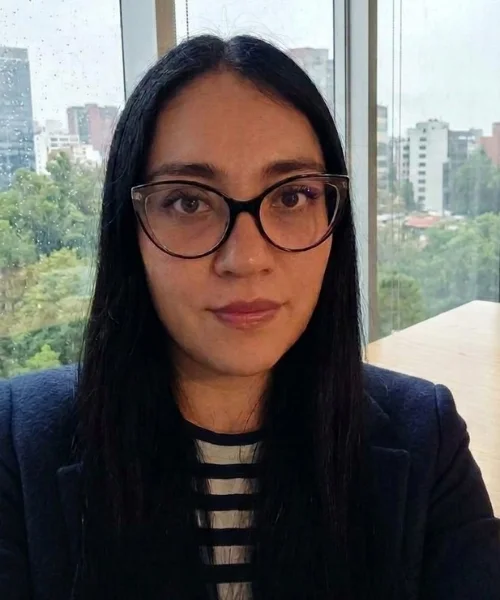
Clinical and community psychologist. She currently supervises the Mental Health, Health Promotion and Intercultural Mediation teams of MSF Mexico’s Migrants Project.
Facilitators of the Psychological First Aid Workshop
México
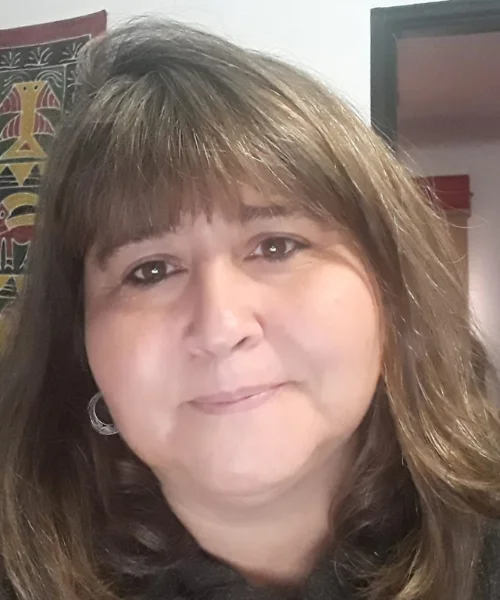
Physician specializing in Tropical Medicine and Community Health. She works at DNDi, where she is responsible for access projects for Chagas disease in Latin America.
Climate and Health and Neglected Tropical Diseases
Brasil
Agenda
8:00-8:20 a.m. | Opening
(Mexico City time)
8:20–09:15 a.m.| Session 1: Migration and Health
(Mexico City time)
9:15–10:20 a.m. | Session 2: Sexual and Reproductive Health and Rights
(Mexico City time)
10:20–10:50 | Break
(Mexico City time)
10:50–11:55 a.m.| Session 3: Salud climática y enfermedades tropicales desatendidas
(Mexico City time)
(Mexico City time)
8:00 a.m.–12:00 p.m. | Workshop: “Caring for Those Who Inform: Psychological First Aid Principles for Researchers and Journalists” – Diana Montelongo and Esmeralda Cisneros.
8:00 a.m.–12:00 p.m. | Workshop: “Respecting All People (RAP)” – Alejandra Armenta Espinosa and Kell Alanis.
Workshops
Workshop 1
A practical workshop exploring how to interact respectfully with people who have experienced critical situations or emergencies. Through case studies and practical exercises, participants will explore basic principles of Psychological First Aid to listen without putting pressure on people, respect boundaries, and identify when it is necessary to facilitate access to specialized support. The workshop will also invite participants to reflect on the impact that listening to difficult testimonies can have on journalists and researchers.
Limited places: maximum 25 participants. Registration does not guarantee participation in the workshop.
Workshop 2
A reflective and interactive workshop exploring how our values are formed and how they influence decision-making and behavior, which can have a positive or negative effect on the care provided to LGBTQI+ patients. The workshop will address assumptions, myths and realities, as well as the difficulties LGBTQI+ people face in accessing healthcare, and will identify concrete steps to contribute to dignified and inclusive care.
Limited places: maximum 20 participants. Registration does not guarantee participation in the workshop.
Registration
October 28th and 29th · Mexico City + online
Register to take part and receive information about the program, streaming access, and event updates.
FAQ
Yes. However, each person wishing to participate must register individually in advance.
No. The activity is open to people with varying levels of experience and interest in the topics. All that is required is an interest in the subjects and a desire to learn more.
You will receive the access link via email a few days before the event.
If you do not find it in your inbox, we recommend checking your spam or junk mail folders.
Yes, you can participate only on the second day. However, we recommend attending both days to get the most out of the experience.
The event will feature simultaneous interpretation in Portuguese, English, and Spanish.
The event follows a hybrid format: on October 28, you can participate either in person or virtually, while the activity on October 29 will be in-person only.
No, participation is free.
The Latin America Scientific Days are an event organized by Doctors Without Borders (MSF) that seeks to share knowledge, experiences, and lessons learned from medical-humanitarian programs in the region.
Its goal is to help improve the quality of care provided to patients and communities—based on evidence—by disseminating research, innovations, and best practices developed by Doctors Without Borders (MSF) as well as by other external organizations and initiatives.
The event will be held at Casa Cemefi, in Mexico City.
Yes. Once you complete your registration, you will receive a confirmation email.
If you do not find it in your inbox, we recommend checking your spam or junk mail folders.
Who is it for?
You don’t need to work at MSF to be part of the conversation.
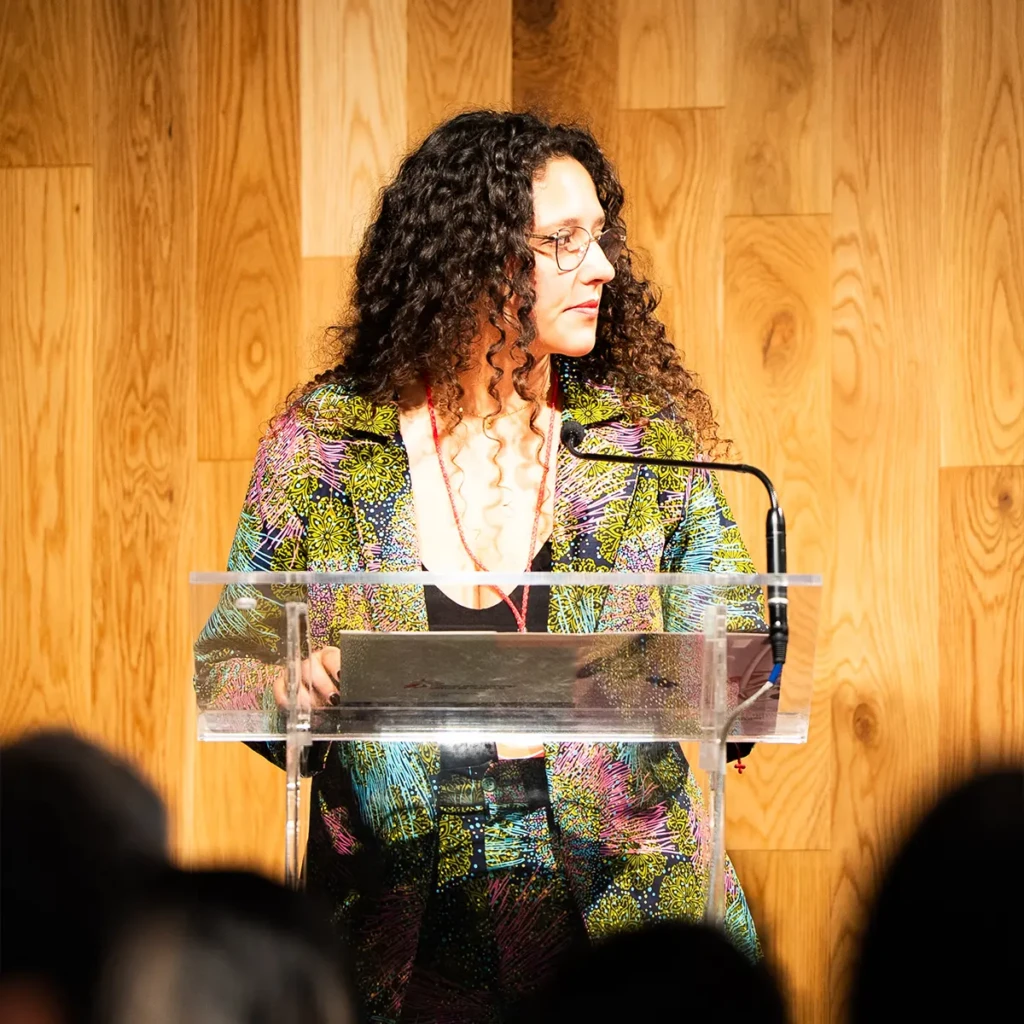
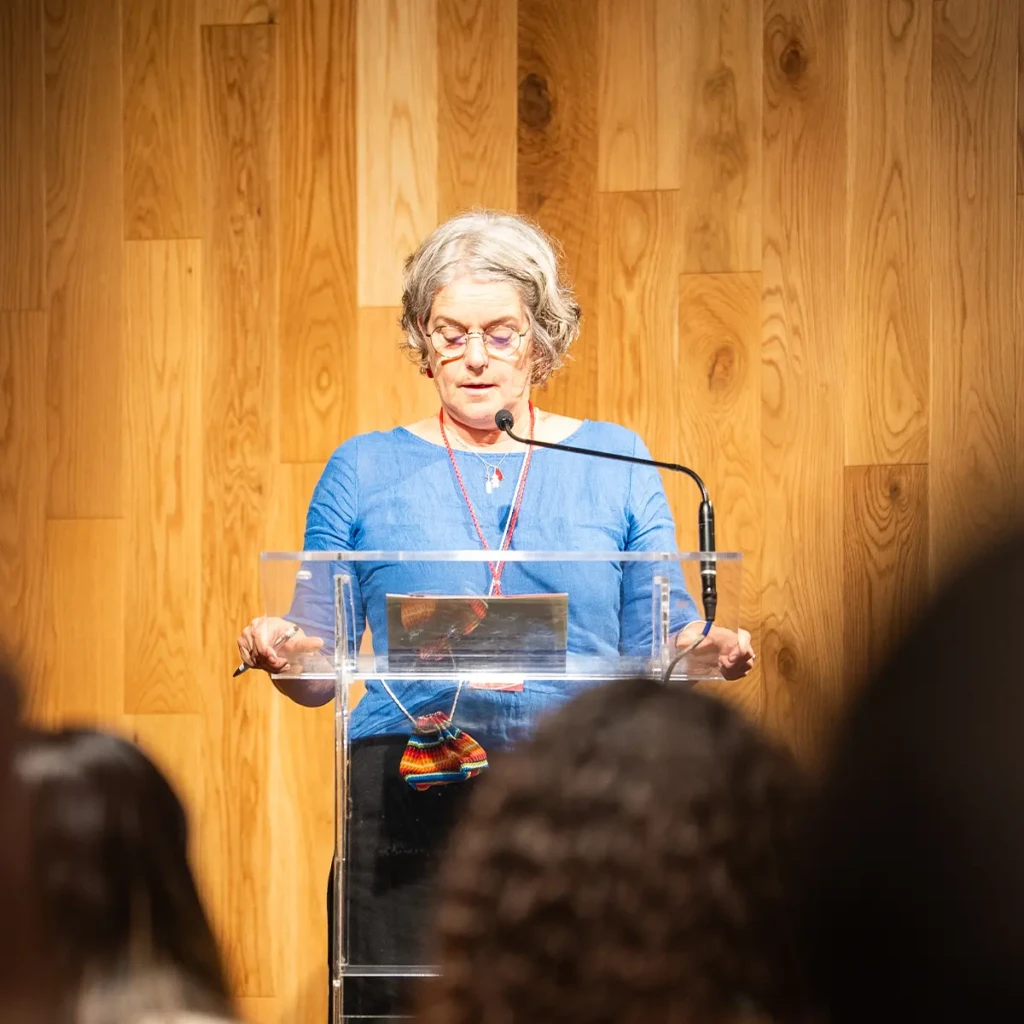
MSF members, humanitarian organizations, and public policy actors
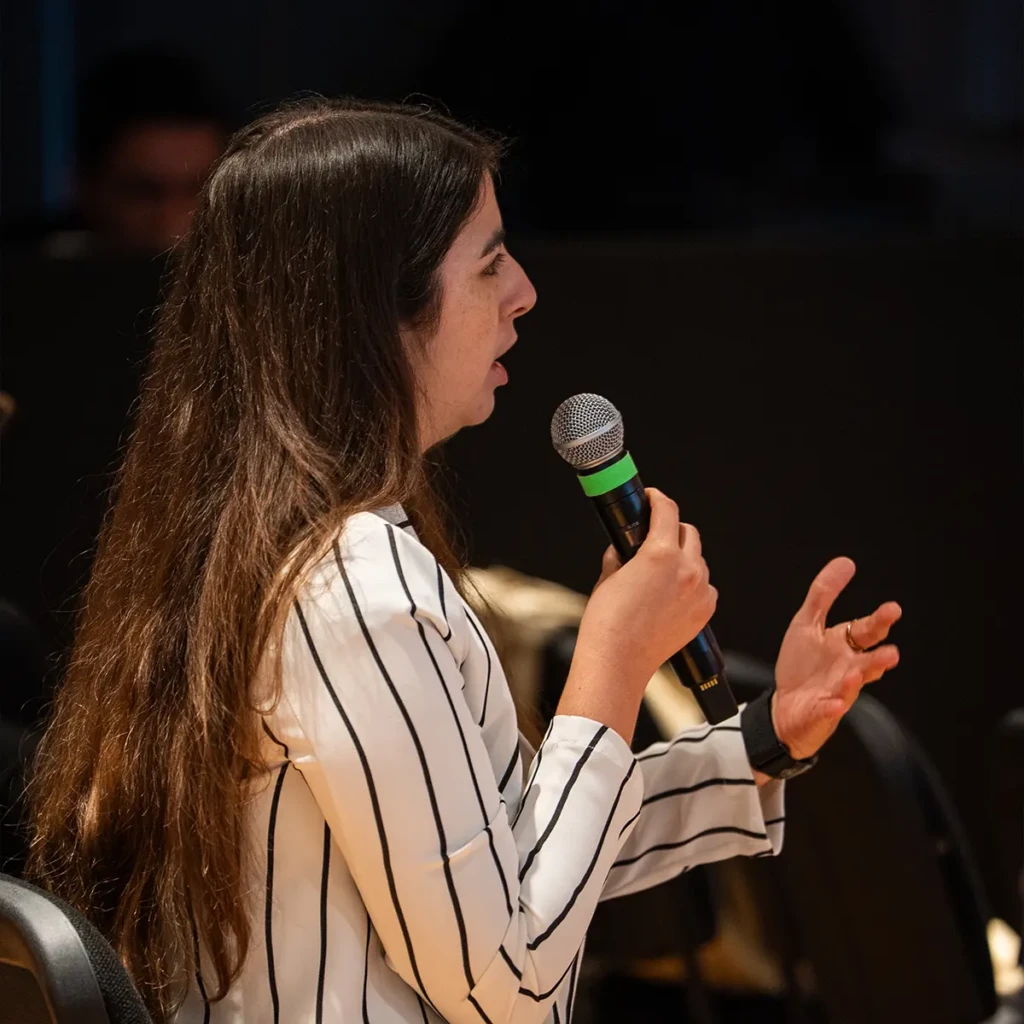
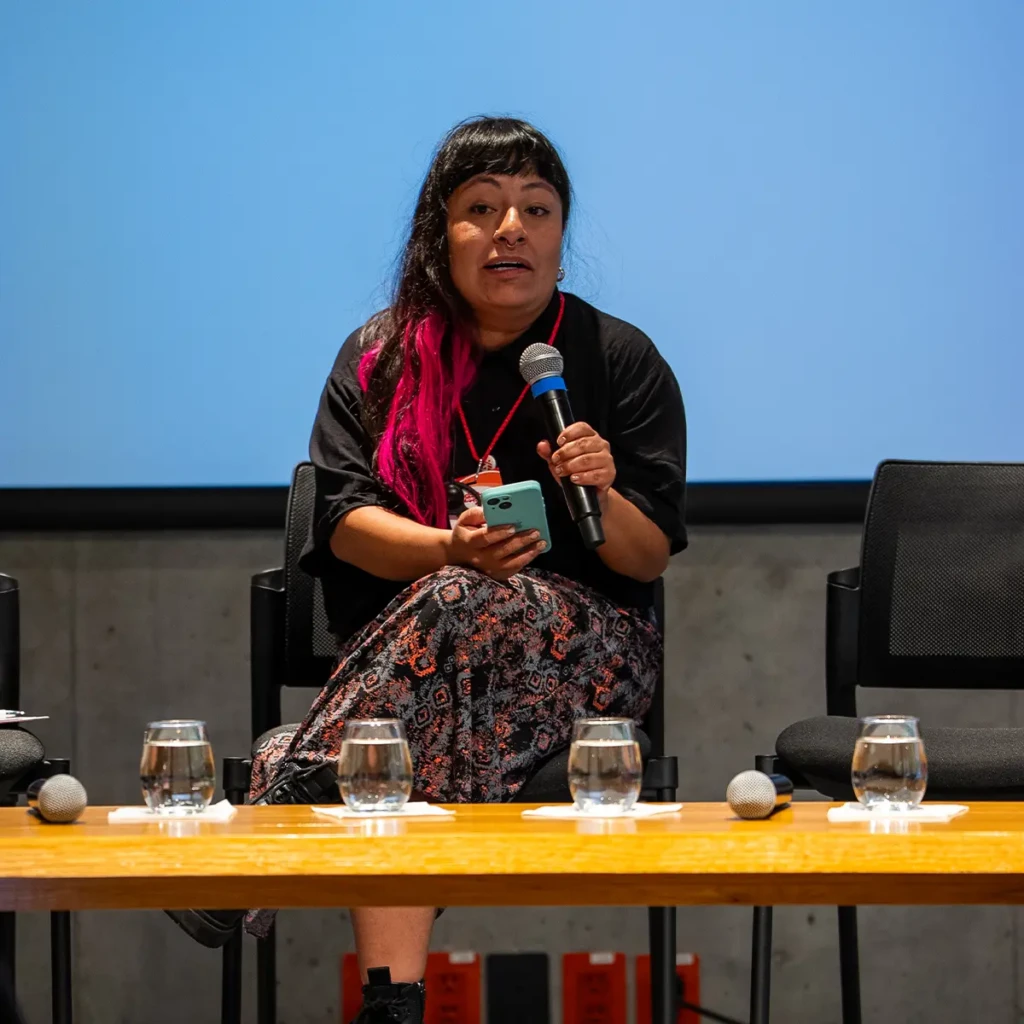
Health professionals, students, academics